
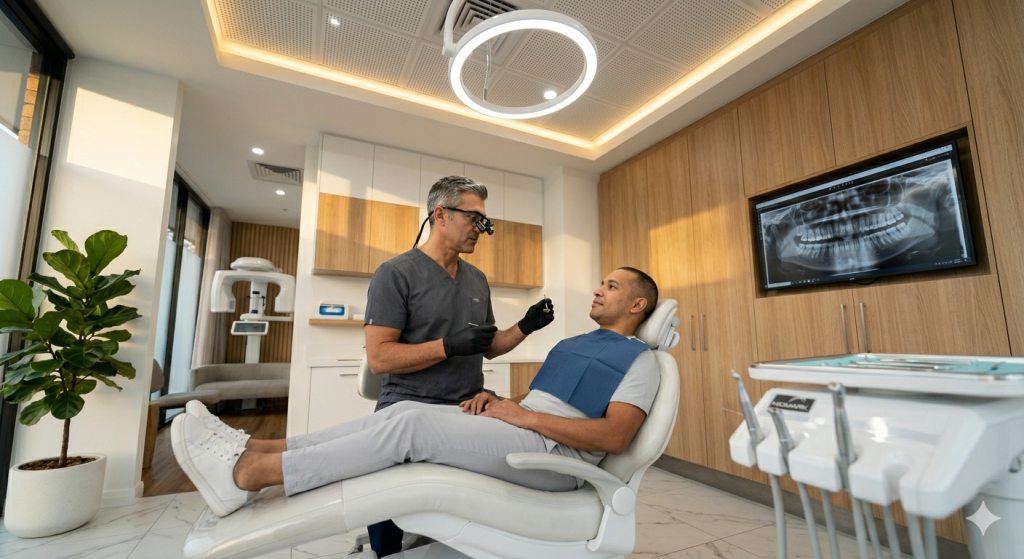
If anxiety, a strong gag reflex, or a complex procedure keeps someone from getting dental care, sedation dentistry in Marina Del Rey offers practical options to make treatment comfortable and doable. You can get safe, personalized sedation that lets you relax through fillings, crowns, implants, or longer procedures while local experts monitor your vital signs and tailor the approach to your needs.
They will explain the types of sedation available, what to expect during the visit, and which procedures most benefit from sedation so you can decide with confidence. Expect clear guidance on risks, recovery, and when sedation might not be recommended, plus compassionate support to address dental fear and make follow-up care simple.
What Sedation Dentistry Means
Sedation dentistry helps patients stay relaxed and comfortable during dental care. It ranges from mild calming agents to deeper sedation, and dentists tailor choices to the procedure, medical history, and patient anxiety.
Understanding Sedation Options
Sedation in dental offices commonly includes three levels: minimal, moderate, and deep.
- Minimal (oral or nitrous oxide): The patient remains awake, relaxed, and responsive. Nitrous oxide (laughing gas) works quickly and wears off soon after the mask is removed. Oral sedatives like a single pill (e.g., a benzodiazepine) are taken before the appointment and reduce anxiety but still allow cooperation.
- Moderate (oral or IV): The patient may slur words and have limited memory of the procedure. IV sedation allows the dentist to adjust the depth in real time for longer or more invasive treatments. Recovery takes longer than with nitrous oxide.
- Deep and general anesthesia: These are used for extensive surgery or for patients who cannot tolerate lighter methods. An anesthesiologist or specially trained provider typically monitors vital signs.
Dentists evaluate medical history, medications, and airway risk before selecting an option. They explain expected sensations, recovery time, and any need for a companion to drive the patient home.
Who Benefits from Sedation
Patients with severe dental anxiety or a strong gag reflex often benefit the most. Sedation helps those who have had traumatic dental experiences, difficulty sitting still (e.g., neurodevelopmental conditions), or require multiple complex treatments in one visit.
Patients with limited time can complete longer procedures in fewer appointments under moderate sedation. Those with sensitive teeth or low pain tolerance may prefer minimal sedation to feel comfortable without losing consciousness.
Pediatric cases sometimes use nitrous oxide or oral sedatives when behavior management and safety permit. Dentists assess each patient’s medical risks—such as sleep apnea, heart or lung disease—before recommending sedation. They also discuss alternatives like gradual desensitization or cognitive-behavioral techniques.
Safety and Comfort Considerations
Sedation dentistry follows strict safety protocols to protect breathing, circulation, and consciousness. Clinics keep emergency equipment, oxygen, and reversal agents on hand, and staff receive training in advanced life support.
Pre-sedation instructions include fasting rules, medication adjustments, and arrival with a responsible adult for transport. Monitoring during the procedure typically measures blood pressure, oxygen saturation, heart rate, and sometimes carbon dioxide levels for deeper sedation.
Discussing allergies, current medications (especially opioids or sedatives), and medical history reduces risk. Dentists personalize sedation plans to minimize interactions and optimize comfort, explaining recovery expectations and post-op instructions so patients know when they can eat, drive, or resume regular activities.
Types of Sedation Used in Marina Del Rey
Patients can expect three common sedation options at Marina Del Rey dental practices: a light, quickly reversing gas; oral medications for mild-to-moderate anxiety; and IV sedation for deeper, closely monitored relaxation. Each option varies by onset, control, monitoring needs, and recovery time.
Nitrous Oxide and Its Effects
Nitrous oxide (laughing gas) provides rapid-onset, adjustable anxiety relief through a mask placed over the nose. It reaches full effect within minutes and can be reduced or stopped at any time, making it ideal for short procedures or patients who prefer to remain fully conscious.
Clinics administer a blend of nitrous oxide and oxygen and monitor oxygen saturation and vital signs during treatment. Side effects are usually mild — lightheadedness or nausea — and clear quickly once the gas is discontinued. Patients can typically drive themselves home after a brief observation period unless combined with other sedatives.
Nitrous oxide suits children, anxious adults, and those needing minor restorative or hygiene procedures. It does not produce deep sleep, so patients remain cooperative and able to respond to commands. Providers review medical history and pregnancy status before use to ensure safety.
Oral Sedation Procedures
Oral sedation uses prescribed pills — commonly benzodiazepines like diazepam or triazolam — taken before the appointment to reduce anxiety and induce drowsiness. Onset usually occurs within 30–60 minutes and effects last several hours, so patients require a responsible escort for the trip home.
Dosing varies by the medication, patient weight, medical history, and anxiety level; dentists often start with a low dose and adjust in future visits. Oral sedation can produce partial memory loss (anterograde amnesia), which many patients see as beneficial for dental fear. It does not require an IV but still calls for monitoring of breathing and oxygenation during the procedure.
Providers screen for interactions with other drugs, alcohol, and health conditions such as sleep apnea or liver disease. Clear pre-visit instructions — fasting, medication timing, and transportation arrangements — help ensure predictable effects and a safe recovery.
IV Sedation for Deeper Relaxation
IV sedation delivers sedative drugs directly into a vein for rapid, titratable control of consciousness and comfort. It ranges from moderate (patient responds to verbal cues) to deep sedation (limited responsiveness), depending on the drugs and dose used, making it suitable for extensive surgeries or severe dental anxiety.
A licensed clinician places an IV, administers medication such as midazolam or propofol, and continuously monitors heart rate, blood pressure, oxygen saturation, and breathing. Facilities performing IV sedation maintain ACLS-capable equipment and staff trained in airway management to manage emergencies.
Recovery can take longer than oral or nitrous approaches; patients need a companion and should avoid driving, alcohol, and certain medications for 24 hours. Preoperative assessment includes a detailed medical history, medication review, and sometimes lab testing to tailor sedation safely.
Common Dental Procedures Enhanced by Sedation
Sedation can reduce anxiety, manage pain, and improve cooperation during many dental procedures. Patients benefit from shorter appointments, more predictable outcomes, and less post-procedure stress.
Routine Cleanings Made Easier
For patients with severe gag reflexes, fearful reactions, or sensitive gums, sedation helps dental hygienists work efficiently without repeated interruptions. Nitrous oxide (“laughing gas”) and oral sedatives reduce anxiety and suppress the gag reflex, allowing for thorough scaling and polishing in a single visit.
Sedation also helps when gum disease requires deeper cleaning (scaling and root planing). Local anesthetic controls pain at the treatment site while a mild sedative keeps the patient relaxed, which improves tissue healing because the patient stays still and the hygienist can access tight pockets more effectively.
Practical benefits include shorter chair time and fewer return appointments. Dental teams typically monitor vitals and adjust sedation levels to keep patients safe and comfortable, and they provide clear recovery instructions so patients can resume normal activities quickly.
Complex Treatments with Less Stress
Major restorative work—such as multiple crowns, full-mouth rehabilitation, or implant placement—often requires long appointments and multiple procedures. Sedation dentistry streamlines these visits by reducing movement and anxiety, enabling the dentist to complete more work in fewer sessions.
IV sedation and oral sedatives produce a deeper relaxation level for procedures that involve bone grafting, sinus lifts, or extensive extractions. These methods maintain patient responsiveness when needed while minimizing memory of the procedure, which lowers post-op stress.
Care teams coordinate sedation choice with medical history, current medications, and the anticipated length of the procedure. Continuous monitoring (pulse, oxygen, blood pressure) and a post-op plan for pain control and antibiotics help ensure safe recovery and predictable surgical outcomes.
Pediatric Sedation for Younger Patients
Children with high anxiety, special healthcare needs, or very young age sometimes cannot tolerate dental procedures awake. Mild sedation (nitrous oxide) calms most children during cleanings and simple fillings without residual grogginess.
For more invasive work—multiple fillings, stainless-steel crowns, or extractions—oral or IV sedation may be recommended to prevent traumatic experiences. These approaches allow the dentist to work efficiently and reduce the risk of sudden movement that could compromise safety.
Parents receive pre-visit instructions about fasting and medications, and clinical staff monitor the child’s vitals throughout treatment. The goal remains gentle, respectful care that minimizes fear and promotes positive long-term attitudes toward dental visits.
Benefits of Choosing a Local Expert
Choosing a nearby dental specialist can reduce stress and simplify follow-up care. It also offers convenience for appointments, emergency access, and coordination with other local health providers.
Personalized Care in Your Community
A Marina Del Rey dentist familiar with the neighborhood often knows the community’s common dental concerns, like patients with dental anxiety tied to prior experiences or those seeking weekend appointments. They can schedule appointments around local traffic patterns and offer evening slots to match work schedules at nearby studios and offices.
Local teams typically maintain relationships with nearby pharmacies, labs, and medical specialists, speeding referrals for complex cases. They also keep patient records accessible for quick review during follow-ups, reducing repeated X-rays and redundant tests.
Patients often benefit from continuity: the same hygienist and dentist track progress across visits, which improves comfort during sedation dentistry. Staff who recognize a patient by name create a calmer environment, and clinics often tailor pre- and post-sedation instructions to local resources and support people nearby.
Tailored Treatment for Individual Needs
A local expert assesses each patient’s medical history, anxiety level, and procedure complexity to recommend the right sedation—oral sedatives, nitrous oxide, or IV sedation. They adjust dosing with knowledge of local follow-up logistics, such as who will escort the patient home and how far they must travel after recovery.
Treatment plans include specific steps: a pre-sedation phone check the day before, arrival timing to allow for calming measures, and explicit written recovery instructions referencing nearby pharmacies for prescriptions. Billing and insurance staff can often explain in-network benefits for area providers and help schedule appointments that maximize coverage.
Because local clinicians see many of the same patients over time, they refine sedation approaches to minimize side effects and speed recovery, tailoring care to each person’s needs and daily life.
What to Expect During Your Visit
Patients will find a clear pathway through consultation, treatment, and recovery with steps that prioritize comfort, safety, and communication. Staff review medical history, explain sedation choices, and set realistic expectations so patients feel prepared and informed.
Initial Consultation and Assessment
The first appointment begins with a detailed medical and dental history review. The clinician asks about medications, allergies, previous reactions to sedation, and specific anxieties to tailor the sedation plan.
A focused oral exam and any needed X-rays establish the treatment scope. The dentist explains recommended procedures—fillings, extractions, crowns, or cleaning—and links each to an appropriate sedation level: minimal (oral sedative), moderate (oral or IV), or nitrous oxide.
They discuss risks, benefits, and alternatives in plain language, and obtain written informed consent. Clear pre-appointment instructions are given, including fasting rules for IV sedation, which medications to continue or pause, and arrival time.
A medical clearance from a primary care physician is requested if the patient has significant heart, lung, or metabolic conditions. The practice confirms transportation plans since driving post-sedation is not permitted.
The Day of Your Appointment
Upon arrival, staff complete a brief health check: blood pressure, heart rate, and oxygen saturation. The dental team confirms consent, reviews fasting adherence, and answers any last-minute questions.
For nitrous oxide, the patient breathes through a nasal mask and stays responsive; the dentist adjusts flow for comfort. For oral sedation, a prescribed pill is taken 30–60 minutes prior; the patient may feel drowsy but awake. For IV sedation, a trained clinician places an IV and administers medication that ranges from conscious sedation to deeper sedation, depending on the plan.
Monitors remain on throughout the procedure to track vitals. The dental team communicates progress quietly and reassures the patient at key steps. Typical appointment lengths vary: simple restorations often take 30–60 minutes; combined procedures or extractions can run 1–3 hours.
A responsible adult must accompany the patient and take them home. The team provides recovery instructions and schedules any follow-up visits before discharge.
Post-Treatment Recovery Tips
Rest for the remainder of the day after any sedative. Patients should avoid driving, operating machinery, or making major decisions until fully alert—usually 24 hours for stronger sedatives.
Follow medication guidance exactly. Take prescribed pain relievers and antibiotics as directed, and use cold packs for swelling after extractions or surgery. Soft foods and plenty of fluids help healing; avoid hot beverages and hard or crunchy foods for 48–72 hours if oral surgery occurred.
Watch for signs that require contacting the office: prolonged bleeding, fever over 101°F (38.3°C), severe pain not controlled by medication, or breathing difficulties. Keep follow-up appointments for stitch removal or progress checks.
Call the practice with questions about symptoms, medication side effects, or wound care. The team often offers same-day phone support and clear instructions to ensure a safe, comfortable recovery.
Addressing Dental Anxiety with Compassion
Patients benefit from clear, respectful care that combines honest communication and practical support to reduce fear. Specific steps like explaining sedation options, setting signals, and offering comfort aids make visits more manageable and predictable.
Open Communication and Trust
The dental team explains the procedure step by step, using plain language and visual aids such as models or intraoral photos. They review medical history, current medications, and previous dental trauma to tailor sedation and pain control precisely.
Staff confirm consent by asking patients to repeat their understanding and encouraging questions until they feel comfortable. They describe what sensations to expect with each sedation level — topical numbing, local anesthesia, inhaled nitrous oxide, oral sedation, or IV sedation — including onset time and recovery needs.
Appointments start with predictable routines: arrival paperwork, pre-medication instructions, and a clear timeline for the visit. The practice offers a single point of contact for concerns before and after treatment, and documents preferences like a preferred music playlist or whether a companion will wait in the operatory.
Support Strategies for Nervous Patients
Clinics provide practical aids such as weighted blankets, noise-cancelling headphones, and calming playlists to reduce sensory overload. They allow short ‘trial’ experiences like sitting in the chair for a non-treatment visit to build familiarity.
For patients who prefer control, clinicians establish a stop signal and frequent check-ins during treatment to adjust sedation or pause if needed. They offer pre-visit medication when appropriate and coordinate with primary physicians for those on complex drug regimens.
Behavioral techniques like guided breathing, progressive muscle relaxation, and brief cognitive reframing are taught in-office and reinforced with take-home handouts or short videos. Follow-up calls after sedation visits monitor recovery and answer questions, reinforcing trust and improving future experiences.
When Sedation Dentistry May Not Be Recommended
Some patients face health or medication issues that make sedation risky, and others may prefer non-sedation comfort measures. The following points explain key medical considerations and practical alternatives to help patients and caregivers decide.
Medical Conditions to Consider
Patients with severe sleep apnea should use caution; sedation can worsen airway obstruction and increase the risk of breathing problems during and after treatment. Dentists typically request recent sleep study results or clearance from a sleep specialist before proceeding.
Uncontrolled heart disease, recent heart attack (within six months), or unstable blood pressure often rules out deeper sedation levels. Those with advanced chronic obstructive pulmonary disease (COPD), severe asthma, or active respiratory infections also face increased respiratory depression risk under sedatives.
Pregnancy generally contraindicates most sedative medications, especially in the first trimester. Children and older adults need individualized dosing and monitoring because metabolic differences affect drug clearance. Patients on certain psychiatric medications, opioids, or anticoagulants must coordinate with prescribers; interactions can alter sedation depth or bleeding risk.
Alternative Comfort Solutions
For patients who cannot undergo sedation, several effective options reduce anxiety and discomfort without systemic drugs. Topical anesthetics and local nerve blocks numb the area precisely, minimizing pain while keeping the patient fully awake.
Behavioral techniques—guided breathing, progressive muscle relaxation, and short, clear explanations—help many patients manage fear during procedures. Distraction tools like noise-cancelling headphones, music playlists, and video glasses reduce perceived time and discomfort for both adults and children.
For moderate anxiety, oral anxiolytics taken before the visit may be an option if medication interactions and health status allow; dentists coordinate dosing and monitoring. In-office nitrous oxide (laughing gas) provides adjustable, short-acting relief with rapid recovery and is often usable when deeper sedation is unsuitable.
Taking the Next Step Toward Comfortable Dental Care
Patients who feel anxious about dental visits often benefit from a conversation about sedation options. A friendly dentist in Marina Del Rey explains the types of sedation available, how they work, and what to expect before, during, and after treatment.
They review medical history and current medications to choose the safest approach. Nitrous oxide, oral sedatives, and IV sedation each offer different levels of relaxation; the dentist recommends the option that fits the procedure and the patient’s comfort needs.
A short checklist helps patients prepare for a sedation appointment:
- Arrange a ride home if using moderate or deep sedation.
- Follow fasting and medication instructions given by the clinic.
- Wear comfortable clothing and avoid strong fragrances.
Patients appreciate a clear timeline for recovery and follow-up care. The team provides written instructions and a direct phone line for questions, reducing uncertainty and promoting a smoother experience.
If cost or insurance is a concern, the clinic discusses payment options and estimates up front. They also highlight preventive strategies to minimize the need for extensive procedures later.
For anyone considering sedation dentistry in Marina Del Rey, the next step is a consultation to discuss fears, goals, and medical history. Contact the dental office to schedule a visit and learn which sedation option makes treatment easier and safer.
Frequently Asked Questions
This section answers common patient concerns about costs, sedation types, safety, preparation, and recovery for dental procedures in Marina Del Rey. It gives practical details on pricing ranges, decision factors, and what to expect before, during, and after sedation.
How much does sedation dentistry typically cost, and what factors can change the price?
Sedation dentistry in Marina Del Rey usually ranges from about $50–$300 for minimal to nitrous oxide sedation per visit, $200–$800 for oral sedation, and $500–$2,500+ for IV or deep sedation depending on the clinic and complexity.
Factors that change price include the sedation method, duration of the procedure, dentist or anesthesiologist fees, facility type, and whether the procedure requires additional monitoring or recovery time.
What types of dental sedation are available, and how do I know which one is right for me?
Common options include nitrous oxide (laughing gas), oral sedatives (pill form), IV sedation, and general anesthesia.
A dentist evaluates the patient’s medical history, anxiety level, procedure length, and gag reflex to recommend the safest, most effective option.
Will I be awake during the procedure, and what will I remember afterward?
With nitrous oxide and low-dose oral sedation, patients remain awake and can respond to instructions but feel relaxed; memory may be fuzzy.
IV sedation can produce deep sedation where patients are semi-conscious; many have little or no memory of the procedure. General anesthesia causes full unconsciousness and no memory.
Is dental sedation safe for people with anxiety, sensitive gag reflexes, or medical conditions?
Most patients with dental anxiety or a strong gag reflex tolerate modern sedation well when the dentist knows their full medical history.
Safety depends on medical conditions, medications, and past reactions; the dental team will review health records, possibly consult a physician, and monitor vitals to reduce risk.
What should I do to prepare for a sedated dental visit, and can I drive myself home afterward?
Follow fasting instructions—usually no food for 6–8 hours and clear liquids allowed up to 2 hours before IV or general anesthesia.
Patients who receive oral, IV, or general sedation must arrange a responsible adult to drive them home and stay with them until alert and stable.
How does sedation work for tooth extractions, and what should I expect during recovery?
Sedation controls anxiety and pain before and during tooth extractions; local anesthetic typically numbs the surgical site while sedation manages consciousness and comfort.
Recovery varies by sedation type: nitrous oxide wears off quickly, oral and IV sedatives may cause drowsiness for 24 hours, and patients should avoid driving, operating machinery, or making important decisions until fully recovered.